Why Dating Apps Make Us More Anxious (And What Science Says About It)
Examine the neuroscience behind dating app anxiety, from dopamine loops to decision fatigue. Understand the paradox of choice, why rejection feels worse on apps, and how swiping culture impacts mental health and self-esteem.

ForReal Team
Author
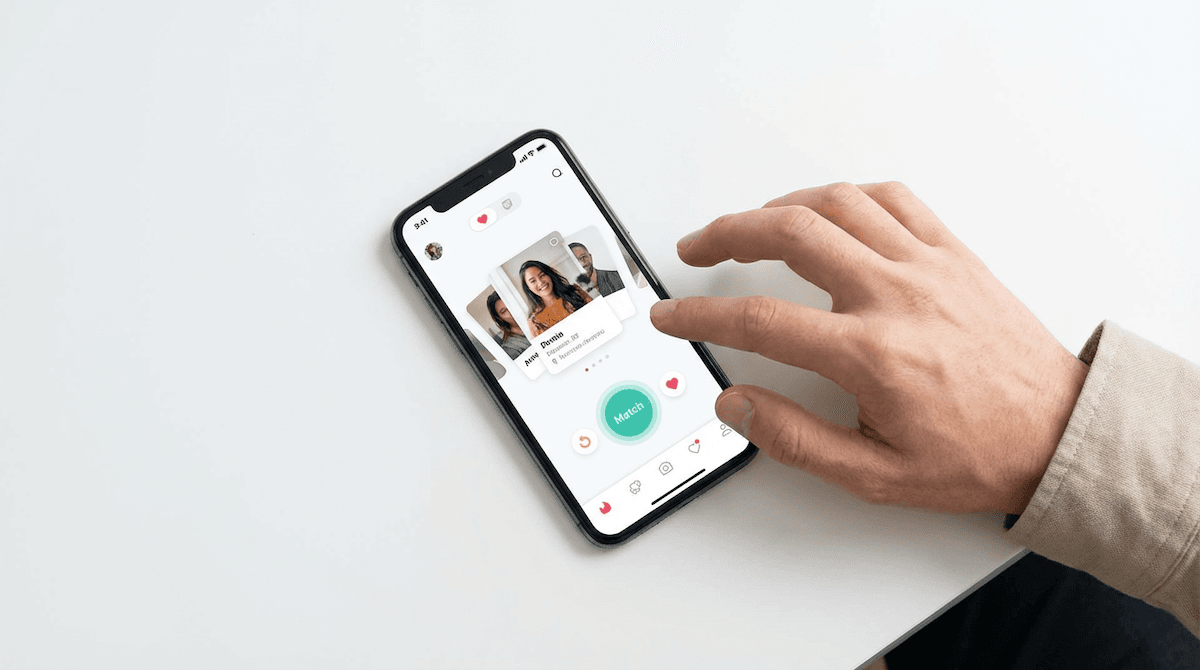
Dating apps have revolutionized how we meet people, but they've also introduced new forms of anxiety that didn't exist in traditional dating. Research shows that dating app users report higher levels of anxiety, depression, and low self-esteem compared to those who meet partners offline. The science behind this is clear: dating apps trigger specific neurological and psychological responses—from dopamine-driven reward loops to decision fatigue to the paradox of choice—that can significantly impact mental health. In this guide, we'll examine the neuroscience behind dating app anxiety, explain why rejection feels worse in digital spaces, and explore how swiping culture affects our brains and self-worth.
The Dopamine Loop: Why Swiping Feels Addictive
Every time you swipe right and get a match, your brain releases dopamine—the same neurotransmitter associated with rewards, pleasure, and addiction. This creates a powerful feedback loop:
The Swipe-Match Cycle: Swiping becomes a game of intermittent reinforcement. You never know when the next match will come, which makes each swipe potentially rewarding. This unpredictability is exactly what makes slot machines addictive—and dating apps use the same psychological mechanism.
The Problem: Unlike real-world dating where connections develop gradually, apps provide instant, frequent hits of dopamine. This can make real-life dating feel 'boring' by comparison and create dependency on the app for validation and excitement.
The Impact: Over time, this dopamine loop can lead to compulsive swiping behavior, where you're not even looking for connections—you're just chasing the next dopamine hit. This can increase anxiety when matches don't come, decrease satisfaction with real-world interactions, and create a cycle of seeking external validation through app engagement.
Variable Reward Schedules
Dating apps use variable reward schedules—you don't know when you'll get a match, making the behavior more reinforcing. Research shows this is one of the most powerful forms of behavioral conditioning, similar to gambling addiction.
Notification Anxiety
The anticipation of notifications creates its own form of anxiety. Every notification could be a match, a message, or rejection—creating a constant state of alertness and anticipation that can be mentally exhausting.
Decision Fatigue and the Paradox of Choice
Having too many options can actually make us less happy and more anxious—a phenomenon known as the paradox of choice.
Too Many Options: Dating apps present us with hundreds or thousands of potential matches. While this seems like an advantage, research shows that having too many choices can lead to decision paralysis, decreased satisfaction with our choices, and increased anxiety about making the 'wrong' decision.
Decision Fatigue: Every swipe is a micro-decision. After swiping through dozens or hundreds of profiles, your brain becomes fatigued from constant decision-making. This can lead to poorer choices, increased anxiety about whether you're making the right decisions, and a sense of being overwhelmed.
The Comparison Trap: With so many options, it's easy to fall into the trap of thinking 'there might be someone better.' This can prevent you from fully investing in connections and create anxiety about whether you're settling or missing out.
The Solution: Limiting your options—setting a daily swipe limit, focusing on quality over quantity, or taking breaks from the app—can help reduce decision fatigue and anxiety.
Analysis Paralysis
When faced with too many options, people often become paralyzed by the fear of making the wrong choice. This can lead to endless swiping without actually engaging with matches, creating a cycle of browsing without connection.
Maximizer vs. Satisficer
Research shows that 'maximizers'—people who want to find the best possible option—experience more anxiety and less satisfaction with dating apps than 'satisficers'—people who are satisfied with 'good enough' options. Apps tend to turn more people into maximizers.
Why Rejection Feels Worse on Dating Apps
Rejection always hurts, but dating apps amplify the pain in several ways:
Volume of Rejection: On dating apps, you experience rejection at a much higher volume than in real life. Every left swipe, every unmatched conversation, every ghosted message is a micro-rejection. This constant exposure can desensitize you in some ways, but it can also create cumulative anxiety and self-doubt.
Dehumanization: Rejection on apps feels more personal because profiles are curated representations of ourselves. When someone swipes left on your profile, it can feel like they're rejecting your entire identity, not just a potential date. This is different from real-world rejection, where context and personality play larger roles.
Lack of Context: In real life, rejection often comes with context—'I'm not looking for a relationship right now' or 'I don't think we're compatible.' On apps, rejection is silent and context-free, leaving you to fill in the blanks with your worst fears.
The Comparison Effect: Apps make it easy to compare yourself to others. You can see who's getting more matches, who has better photos, who's more successful. This constant comparison can erode self-esteem and increase anxiety about your own desirability.
Silent Rejection
The most common form of rejection on apps is silence—no response, no explanation, just nothing. This ambiguity can be more anxiety-inducing than explicit rejection because your mind fills in the gaps with worst-case scenarios.
Rejection Sensitivity
People with higher rejection sensitivity—those who are more sensitive to signs of rejection—tend to experience more anxiety on dating apps. Apps can amplify this sensitivity by providing constant opportunities for perceived rejection.
How Swiping Culture Affects Mental Health
The culture of swiping has created several mental health challenges:
Objectification: Swiping reduces people to photos and brief bios, encouraging us to make snap judgments based on appearance and superficial information. This can lead to objectification of others and ourselves, reducing people to commodities to be evaluated and discarded.
Self-Worth Tied to Matches: Many people begin to tie their self-worth to their number of matches, message responses, or dates. This external validation creates fragile self-esteem that fluctuates with app engagement, leading to anxiety when engagement is low.
FOMO (Fear of Missing Out): The constant stream of new profiles creates a sense that there's always someone better just a swipe away. This can prevent you from fully investing in current connections and create anxiety about whether you're making the right choice.
Burnout: The constant swiping, messaging, and managing of multiple conversations can lead to dating app burnout—a state of emotional exhaustion, decreased interest in dating, and increased anxiety about the entire process.
The Performance Pressure
Dating apps create a performance culture where you're constantly 'on stage.' Every message, every photo, every profile element is evaluated. This constant performance pressure can be exhausting and anxiety-inducing.
The Disposable Mindset
The ease of swiping and unmatching can create a 'disposable' mindset toward connections. This can make it harder to form deep connections and increase anxiety about whether any connection will last.
The Neuroscience: What's Actually Happening in Your Brain
Understanding the neuroscience helps explain why dating apps are so anxiety-inducing:
Dopamine and Reward Pathways: Every match triggers dopamine release in the brain's reward pathway. Over time, this can create tolerance—you need more matches to feel the same satisfaction—and withdrawal symptoms when you're not getting matches.
Cortisol and Stress Response: Constant swiping, checking for matches, and managing conversations activates your stress response system, releasing cortisol. Chronic activation of this system can lead to increased baseline anxiety, sleep problems, and difficulty managing stress.
Social Comparison and the Default Mode Network: Apps activate brain regions associated with social comparison and self-evaluation. Constant comparison to others can activate the default mode network in ways that increase rumination, self-criticism, and anxiety.
Attention and Cognitive Load: Managing multiple conversations, remembering details about different people, and making constant decisions creates cognitive overload. This can lead to mental fatigue, decreased ability to focus, and increased anxiety.
The Reward Prediction Error
Your brain releases more dopamine when rewards are unexpected. Dating apps exploit this by making matches unpredictable, creating stronger dopamine responses than predictable rewards would.
The Stress of Constant Evaluation
Being constantly evaluated (through matches, messages, responses) activates the brain's threat detection system, keeping you in a state of heightened alertness that can increase baseline anxiety over time.
Strategies to Reduce Dating App Anxiety
If you're experiencing anxiety from dating apps, there are evidence-based strategies to help:
Set Boundaries
Limit your app usage to specific times of day, set a daily swipe limit, or take regular breaks. Research shows that setting boundaries can reduce anxiety and improve overall well-being.
Focus on Quality Over Quantity
Instead of swiping endlessly, be more selective. Focus on profiles that genuinely interest you and invest in fewer, higher-quality conversations. This reduces decision fatigue and increases satisfaction.
Detach Self-Worth from Matches
Remember that matches, messages, and responses are not reflections of your worth. Work on building self-esteem from internal sources rather than external validation from the app.
Take Regular Breaks
Research shows that taking breaks from dating apps can reduce anxiety and improve mental health. Consider deleting the app for a week or month and see how you feel.
Seek Real-World Connections
Balance app usage with real-world social activities. Meeting people in person can provide context and connection that apps lack, reducing anxiety and increasing satisfaction.
How ForReal Can Help Reduce Dating App Anxiety
If you're struggling with anxiety from dating apps, ForReal can provide objective insights to help you gain clarity. Our AI analyzes your text conversations and provides data-driven feedback on communication patterns, emotional signals, and relationship dynamics—reducing the need to rely on external validation from matches and messages.
Instead of constantly checking for matches or obsessing over message responses, ForReal helps you understand what your conversations really reveal. This can reduce the anxiety of uncertainty and help you make more informed decisions about which connections are worth investing in.
By providing objective analysis rather than relying on the unpredictable rewards of swiping, ForReal can help break the dopamine loop and reduce dating app anxiety. Download ForReal now to gain clarity on your dating connections and reduce the anxiety that comes with app-based dating.
Frequently Asked Questions
Are dating apps inherently bad for mental health?
Not necessarily. Dating apps are tools, and like any tool, their impact depends on how they're used. For some people, apps provide valuable connections. However, research shows that excessive use, tying self-worth to matches, and experiencing high volumes of rejection can negatively impact mental health. The key is using apps mindfully and setting healthy boundaries.
Why do I feel more anxious on apps than in real-life dating?
Apps create unique stressors: high volumes of rejection, constant social comparison, decision fatigue from too many options, and dopamine-driven reward loops. Real-life dating typically involves fewer options, more context, and gradual relationship development, which can feel less overwhelming and anxiety-inducing.
Can I reduce dating app anxiety without deleting the app?
Yes. Setting boundaries (time limits, swipe limits), focusing on quality over quantity, detaching self-worth from matches, and taking regular breaks can all help reduce anxiety while still using the app. The key is mindful, intentional use rather than compulsive, reactive use.
How long does it take for dating app anxiety to decrease?
It depends on the individual and the strategies used. Some people see improvement within days of setting boundaries, while others may need weeks or months. Taking a complete break from apps for 2-4 weeks often provides significant relief. If anxiety persists, consider speaking with a mental health professional.
Is it normal to feel anxious about dating apps?
Yes, it's very common. Research shows that many dating app users experience anxiety, and the mechanisms that cause it (dopamine loops, decision fatigue, rejection sensitivity) are well-documented. If anxiety is significantly impacting your daily life or well-being, consider reducing app use or seeking support.
Do certain types of dating apps cause more anxiety than others?
Apps with more gamification elements (swiping, super likes, boosts) tend to trigger stronger dopamine responses and may cause more anxiety. Apps focused on quality over quantity, with fewer gamification features, may be less anxiety-inducing. However, individual experiences vary based on usage patterns and personal sensitivity.
Dating apps have transformed how we meet people, but they've also introduced new forms of anxiety through dopamine loops, decision fatigue, and the paradox of choice. Understanding the neuroscience and psychology behind dating app anxiety can help you use these tools more mindfully and reduce their negative impact on your mental health. Remember: apps are tools, and you have the power to set boundaries and use them in ways that serve your well-being rather than create anxiety.
Want to reduce dating app anxiety and gain clarity on your connections?
Download ForReal