What Does It Mean When Someone Takes Hours to Text Back? (Decoded)
Decode slow text responses with 6 possible meanings ranging from genuine busyness to losing interest. Learn how to read context clues, recognize patterns, and determine when delayed responses are concerning versus normal communication styles.

ForReal Team
Author
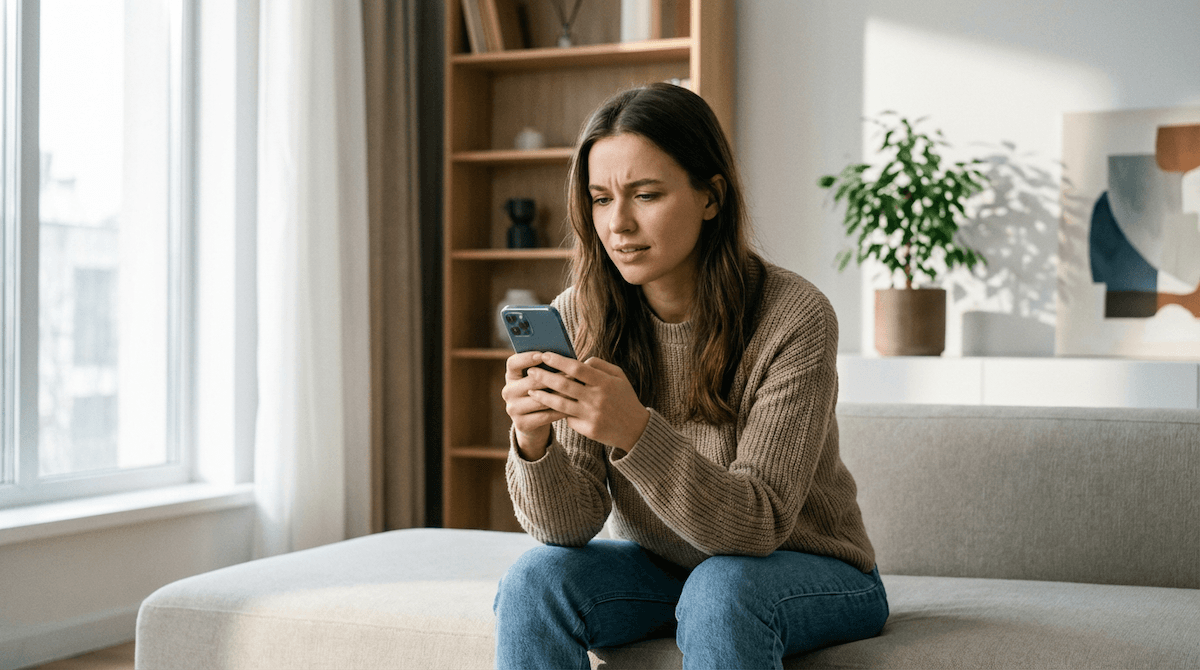
You send a text. Hours pass. No response. Your mind starts racing: Are they busy? Are they losing interest? Did you say something wrong? Slow text responses are one of the most common sources of anxiety in modern dating—but they don't always mean what we think they do. The truth is, delayed responses can mean anything from genuine busyness to a communication style mismatch to actual disinterest. In this guide, we'll decode 6 possible meanings behind slow text responses, teach you how to read context clues, and help you determine when delayed responses are concerning versus when they're just normal communication patterns.
6 Possible Meanings Behind Slow Text Responses
Before jumping to conclusions, it's important to understand that slow responses can have multiple meanings. Here are the most common ones:
They're Genuinely Busy
The simplest explanation is often the correct one. People have jobs, responsibilities, and lives outside of texting. A delayed response might mean they're in a meeting, driving, spending time with family, or simply prioritizing in-person interactions over phone communication.
Different Communication Styles
Some people are naturally slower texters. They might prefer phone calls, in-person conversations, or simply not be as attached to their phone. This isn't a reflection on you—it's just how they communicate. If they're consistently slow but engaged when you're together, this is likely just their style.
They're Processing or Thinking
Some people take time to craft thoughtful responses, especially to important questions or emotional topics. A delayed response might mean they're considering their words carefully rather than rushing a reply. This can actually be a sign of care, not disinterest.
They're Playing Games
Unfortunately, some people intentionally delay responses to appear less interested or to maintain power in the dynamic. This is often a red flag, especially if combined with other manipulative behaviors like hot-and-cold patterns or breadcrumbing.
They're Losing Interest
Sometimes, slow responses do indicate waning interest. If someone who used to respond quickly now consistently takes hours or days, and this is combined with shorter messages, less engagement, or canceled plans, it might be a sign they're pulling away.
They're Overwhelmed or Stressed
Life stress, work pressure, or personal challenges can make people less responsive. If someone is going through a difficult time, their communication patterns might change temporarily. This isn't necessarily about you or the relationship.
How to Read Context Clues
The key to understanding slow responses is looking at the bigger picture, not just the timing. Here's what to consider:
Response Quality vs. Speed
A slow but thoughtful, engaged response is very different from a quick but one-word reply. Pay attention to the quality and depth of their messages, not just how fast they arrive.
Consistency Patterns
Has their response time changed recently, or have they always been slower? A sudden change in pattern is more significant than someone who's consistently been a slower texter from the beginning.
In-Person Behavior
How do they act when you're together? If they're engaged, present, and interested in person but slower to text, it's likely just a communication style difference. If they're distant both in person and via text, that's more concerning.
Message Length and Engagement
Are their messages getting shorter and less engaged? Are they asking fewer questions? A slow response combined with declining message quality is more concerning than a slow but engaged response.
Other Behaviors
Look at the full picture: Are they still making plans? Showing up when they say they will? Initiating conversations? One slow response means less than a pattern of disengagement across multiple areas.
When Slow Responses Are Concerning
While slow responses aren't always a red flag, there are patterns that should raise concern:
Sudden Change in Pattern
If someone who used to respond quickly now consistently takes hours or days, especially without explanation, this could indicate a shift in interest or priorities.
Combined with Other Red Flags
Slow responses become more concerning when combined with: canceled plans, shorter messages, less engagement, avoiding in-person meetups, or hot-and-cold behavior. Multiple signs together paint a clearer picture.
Consistently Ignoring Important Messages
If you've asked an important question or shared something meaningful and they consistently avoid responding, that's different from being slow to respond to casual check-ins.
Making You Feel Anxious or Insecure
If their communication pattern consistently makes you feel anxious, uncertain, or like you're walking on eggshells, that's a sign the dynamic isn't healthy—regardless of the actual response time.
When Slow Responses Are Normal
Not all slow responses are problematic. Here's when they're likely just normal communication:
Consistent Pattern from the Start
If someone has been a slower texter from the beginning and this hasn't changed, it's likely just their communication style. They might prefer other forms of communication or simply not be as phone-focused.
Engaged When Together
If they're present, engaged, and interested when you're together in person, slow texting is probably just a preference, not a sign of disinterest.
Thoughtful, Quality Responses
A slow but thoughtful, detailed response shows care and consideration. This is often better than a quick but shallow reply.
Life Circumstances
Busy periods at work, family obligations, travel, or personal challenges can temporarily affect response times. If they communicate about these circumstances, it's likely just life, not a reflection on you.
How to Address Slow Responses (Without Being Needy)
If slow responses are bothering you, there are healthy ways to address it:
Communicate Your Needs
In a calm, non-accusatory way, you can share that you'd appreciate more timely responses, especially for time-sensitive matters. Use 'I' statements: 'I feel more connected when we can have more back-and-forth conversations.'
Match Their Energy (Within Reason)
You don't need to respond instantly if they're slower. Match their general communication pace without playing games. This creates a more balanced dynamic.
Focus on Quality Time
If texting isn't their strength, focus on in-person connection. Some people are better communicators face-to-face than via text.
Know When to Walk Away
If slow responses are part of a larger pattern of disengagement, inconsistency, or making you feel anxious, it might be time to reassess the connection. You deserve someone who makes you feel secure, not anxious.
How ForReal Can Help Decode Communication Patterns
If you're struggling to understand what slow responses mean in your specific situation, ForReal can provide objective analysis of your communication patterns. Our AI examines your text conversations and identifies patterns in response times, message quality, engagement levels, and emotional signals.
Instead of guessing what delayed responses mean, ForReal helps you see the bigger picture: Are response times consistent or changing? Is message quality declining? Are there patterns that suggest genuine interest versus disengagement?
This data-driven approach reduces anxiety and helps you make informed decisions about your connections. Download ForReal now to gain clarity on your dating communication patterns.
Frequently Asked Questions
How long is too long to wait for a text response?
There's no universal rule—it depends on the context, your relationship stage, and their communication style. Generally, if someone consistently takes days to respond without explanation, especially after previously being more responsive, that's worth addressing. But hours or even a day can be normal depending on circumstances.
Should I double text if they don't respond?
One follow-up message is usually fine, especially if it's been a while or if your original message required a response. But if you're consistently double-texting without replies, that's a sign to step back and reassess the situation.
Do slow texters make bad partners?
Not necessarily. Some people are simply slower texters but great communicators in person. The key is whether their communication style works for you and whether they're engaged and present when you're together. Compatibility in communication styles matters more than speed.
How do I know if they're losing interest or just busy?
Look at patterns: Have response times changed suddenly? Is message quality declining? Are they canceling plans or avoiding meetups? Multiple signs together suggest disinterest, while isolated slow responses during busy periods are likely just life circumstances.
Is it okay to ask someone why they're slow to respond?
Yes, if done respectfully. Use 'I' statements and focus on your needs rather than accusing them. For example: 'I notice you sometimes take a while to respond, and I want to make sure we're on the same page about communication.' This opens a conversation rather than creating defensiveness.
Slow text responses can be frustrating and anxiety-inducing, but they don't always mean what we fear. By understanding the possible meanings, reading context clues, and recognizing patterns, you can gain clarity on what delayed responses really indicate in your specific situation. Remember: one slow response is just data. It's the patterns and context that tell the real story.
Want to understand what your text conversations really reveal?
Download ForReal